Discover the Full Range of Services Offered by CGCs in the Construction Field.
Commercial general contractors play a pivotal role in the construction industry, delivering a suite of services that address every phase of a project. Their expertise spans from initial design and planning to efficient project oversight and meeting safety rules. Hickory top rated Commercial General Contractor. By coordinating various subcontractors and guaranteeing quality standards, they aim to meet both budgetary constraints and timelines. This detailed strategy raises important questions about the influence of their approaches on successful projects and client satisfaction
Defining the Function of General Building Contractors
While the building sector includes a number of functions, commercial general contractors (CGCs) are fundamentally important in overseeing and managing construction projects. They are responsible for guaranteeing that projects stick to design specifications, budgets, and timelines. CGCs manage diverse subcontractors, such as plumbers, carpenters, and electricians, to guarantee that all aspects of the construction process proceed efficiently.
In addition, they must securing necessary permits and making certain they comply with local local codes and rules. This role requires a profound knowledge of construction practices, as well as strong leadership and interpersonal skills. CGCs act as the primary point of contact for clients, handling issues and providing updates throughout the project’s duration. Their skill in overcoming obstacles while maintaining quality standards is crucial for the successful completion of commercial building projects, thereby enhancing the effectiveness and performance of the industry as a whole.
Project Management and Coordination

Coordination and project oversight are key factors for the project success supervised by commercial general contractors. Strong communication methods, resource allocation techniques, and schedule control methods are fundamentally important in guaranteeing projects finish on time and under budget - Hickory top rated Commercial General Contractor. By mastering these elements, contractors can foster cooperation among stakeholders and maximize project results
Effective Communication Strategies
Effective communication strategies play an essential role in the success of construction projects, as they make sure that all stakeholders are in agreement and aware throughout the process. Transparent communication methods promote cooperation among architects, engineers, subcontractors, and clients, ensuring that everyone understands project requirements and deadlines. Regular meetings and updates allow for the early detection of possible troubles, facilitating prompt issue resolution. Employing contemporary communication methods, for example, PM software and smartphone applications, boosts data dissemination and maintains team connectivity. In addition, promoting a habit of transparent communication inspires input and supports openness, which helps achieve superior decisions. In the end, strong communication methods help streamline project implementation and enhanced party contentment in the construction industry.
Strategies for Allocating Resources
Methods for assigning resources are crucial for the smooth delivery of building projects, guaranteeing resources, workforce, and machinery are employed productively. Optimized resource assignment means evaluating project specifications and matching them to existing resources, which assists in cutting down waste and improving efficiency. Project leaders implement different tactics, for example, ordering tasks by criticality and asset readiness, to allocate resources effectively. Moreover, using specialized software for following resource deployment boosts judgment and responsiveness. Consistent reviews of resource assignment help identify potential bottlenecks and areas for improvement, enabling quick corrections. By implementing these techniques, building contractors can sustain project progress, keep expenditures in check, and in the end reach project targets within the given constraints.
Timeline Management Practices
Handling project durations requires precise planning and organization to guarantee that each phase of the project progresses smoothly. Building project managers employ diverse scheduling methods to boost productivity and guarantee prompt project delivery. These methods involve creating comprehensive timelines, using scheduling applications, and performing routine advancement evaluations. By setting clear deadlines and milestones, builders are able to efficiently track progress and handle possible hold-ups quickly. Furthermore, they set up communication guidelines between sub-trades, vendors, and interested parties to ease communication movement and steer clear of errors. Proactive risk management strategies also help maintain the schedule, making corrections possible for unforeseen difficulties. Crucially, efficient time management is fundamental for achieving project goals and upholding stakeholder approval in the competitive construction industry.
Services for Design and Preparation
Planning and design services are key aspects of the construction process, with a focus on productive concept development tactics. These strategies help guarantee that project goals align with practical execution, and architectural coordination processes promote seamless teamwork among stakeholders. Prioritizing these factors, commercial general contractors are able to improve project results and efficiency.
Concept Development Methods
While a project's success often hinges on its initial vision, efficient concept development methods are vital in transforming ideas into actionable plans. These strategies involve a systematic approach encompassing thorough research, stakeholder engagement, and feasibility assessments. Through collaboration with clients and stakeholders, commercial general contractors are able to determine project goals and limitations in the initial stages. This collaboration fosters innovation while ensuring alignment with budgetary constraints and regulatory needs. Furthermore, visualizations and prototypes are utilized to refine concepts, making adjustments possible before substantial capital is committed. Ultimately, well-executed concept development strategies do more than just streamline the transition from vision to reality but also reduce potential risks, setting the stage for a successful construction project.
Architectural Coordination Efforts
Efficient architectural coordination methods are vital to the successful execution of construction projects. Such processes demand careful collaboration among architects, engineers, and contractors to make certain that design intentions are accurately translated into tangible structures. Commercial general contractors are instrumental in improving communication and aligning project goals. They oversee the integration of various design elements, handling potential issues during the initial planning stages. This proactive approach minimizes costly delays and rework, fostering a smoother workflow. In addition, effective architectural coordination ensures compliance with building codes and local regulations, boosting project success. Through streamlining design changes and improving resource allocation, these processes ultimately contribute to the overall efficiency and quality of construction outcomes, completing projects that adhere to client expectations and standards.
Controlling Finances and Budgeting
Budgeting and financial oversight are critical components of successful construction projects, guaranteeing that resources are efficiently allocated and expenditures are kept within established boundaries. General contractors are vital in this aspect by meticulously developing budgets that reflect the full scope of the project, accounting for materials, workforce, and potential issues. Their expertise allows for accurate forecasting, which is essential for averting extra expenses and guaranteeing financial viability.
In addition, general contractors implement rigorous financial monitoring throughout the project lifecycle. Contractors monitor expenditures relative to the budget, adjusting allocations as necessary to address modifications to the scope or surprise expenditures. This proactive management protects the fiscal well-being of the project but also fosters transparent communication with stakeholders concerning the financial situation. By providing thorough reports and consistent communication, general contractors ensure everyone is kept up-to-date, thereby enhancing trust and collaboration throughout the construction process.
Ensuring Quality and Adhering to Safety Standards
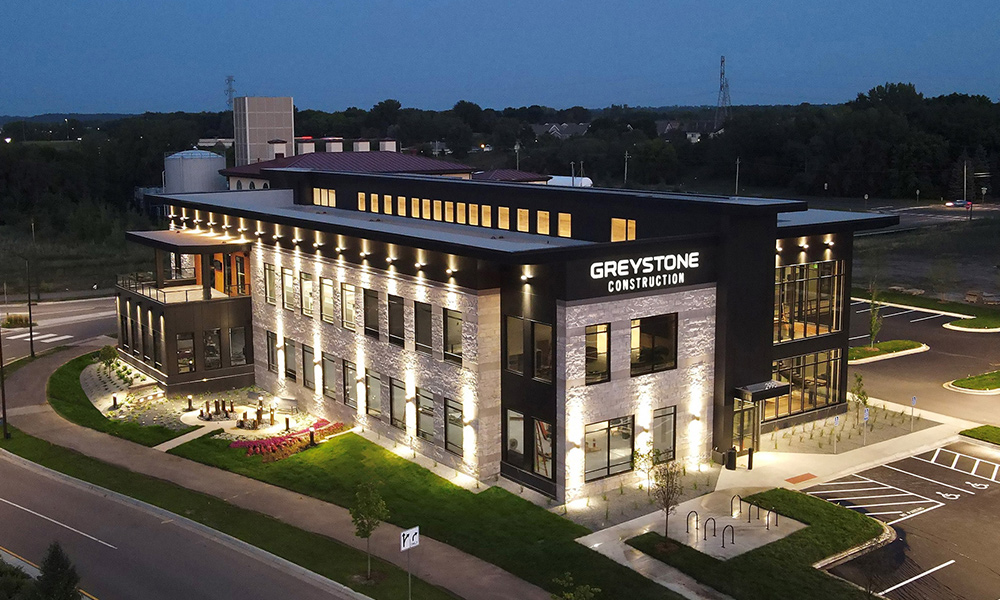
Maintaining high quality and ensuring safety are critical concerns in the construction industry, ensuring that projects meet established standards while preserving the health and security of all workers involved. These construction managers enforce rigorous quality control measures by conducting regular inspections, verifying supplies, and ensuring standards are met. These practices help identify potential issues early, minimizing expensive corrections and hold-ups.
Following safety guidelines is also crucial; contractors follow OSHA guidelines and established sector norms to foster a safe job site. This involves offering adequate instruction, personal protective equipment, and find this resource ensuring open dialogue regarding safety protocols.
Follow-up Services and Ongoing Assistance
Upon project finalization, commercial general contractors offer necessary follow-up services and assistance to guarantee the project continues to meet the client's needs. These services often include thorough inspections to check that standards are met and local regulations. Warranty issues might also be managed by the contractor, dealing with defects that surface after the project handover.
Furthermore, maintenance support is provided, assisting owners with facility maintenance to maximize its durability and assure functionality. Instructional classes for personnel regarding systems and machinery may also be included to improve how efficiently the facility runs.
In addition, they commonly aid in project closeout documentation, making certain necessary data is compiled and accessible for later use. This ongoing support establishes a lasting relationship between contractors and clients, promoting confidence and contentment while promoting accountability in the construction process. All things considered, post-completion support are essential in the project's lasting triumph.
FAQs
What Types of Projects Do General Contractors Usually Manage?
CGTs commonly oversee a wide array of jobs, like corporate facilities, shopping centers, industrial complexes, medical facilities, schools and universities, and housing developments, ensuring that each project meets sector benchmarks and customer requirements efficiently.
How Should I Select the Ideal General Contractor for This Job?
When picking the best construction manager, one should evaluate their background, ask for testimonials, determine their economic reliability, examine previous work, and ensure transparent dialogue concerning deadlines and financial plans for effective project management.
What Difficulties Encountered in Building Work?

Frequent obstacles faced during construction projects include budget overruns, timeline setbacks, lack of skilled workers, regulatory compliance, unexpected site conditions, and poor coordination among stakeholders. Such difficulties typically impede the completion of the job and might cause greater financial outlay and timelines.
How Do Builders Guarantee Adherence To Area Safety Standards?
Contractors guarantee compliance to area safety standards by thoroughly reviewing regulations, conducting regular inspections, partnering with government agencies, and preserving comprehensive paperwork during the entire build phase to mitigate risks and follow security protocols.
What Warranties or Guarantees Are Firms Expected to Give Once the Job is Finished?
Builders usually offer assurances for the quality of the build, lasting from one to ten years. Warranties usually entail remediation of issues, ensuring clients receive a guarantee of standard and security after the job is done.